·Brian C JensenBrian C JensenCultural AwarenessGlobal Classroom
The Global Classroom: Connecting Students Around the World
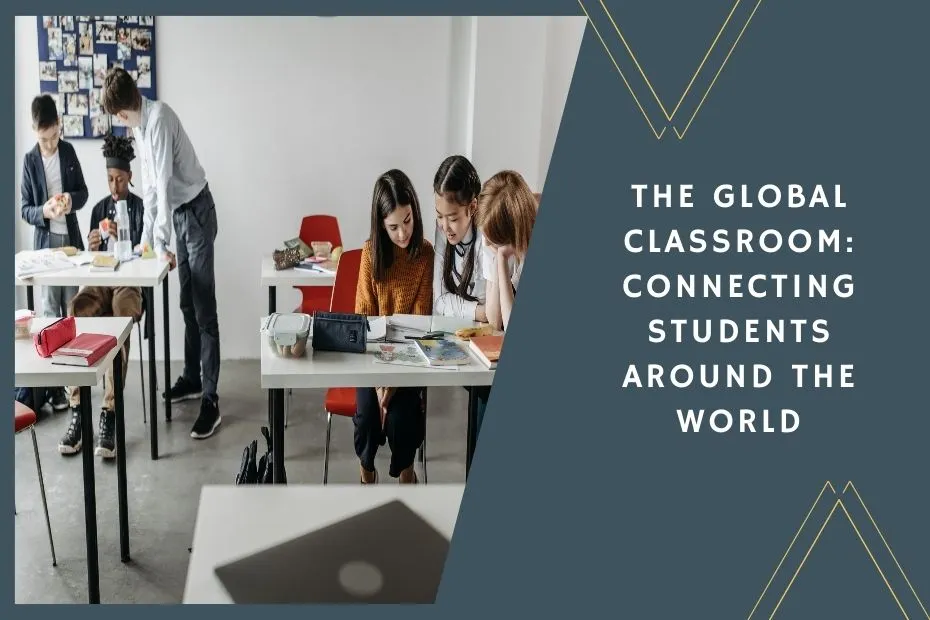
In a world that is increasingly interconnected, the idea of a global classroom has become more than just a possibility—it’s a necessity. By connecting students from different parts of the globe, we open the doors to cultural exchange, collaborative problem-solving, and the development of essential skills for the 21st century. The global classroom concept goes beyond traditional education, fostering an environment where students learn academic content and global citizenship. As someone deeply involved in educational initiatives, I’ve witnessed how transformative these experiences can be. In this article, we’ll explore the benefits, implementation strategies, and challenges of creating global classrooms.
Broadening Cultural Awareness
One of the most profound impacts of a global classroom is the opportunity it provides for cultural exchange. When students interact with peers from other countries, they gain a deeper understanding of different traditions, languages, and ways of thinking. This exposure helps to break down stereotypes and encourages empathy.
For instance, a history project might pair students from the United States with peers in Japan to explore the events of World War II from different perspectives. Such collaborations deepen understanding and build mutual respect. Cultural awareness is more than just an academic goal—it’s a life skill that helps students navigate an increasingly diverse world.
Enhancing Communication Skills
Global classrooms are a natural setting for developing communication skills. Whether through video calls, email exchanges, or collaborative online platforms, students learn how to articulate their ideas clearly and listen to others with respect. These interactions often require them to overcome language barriers, teaching patience and adaptability.
English is often the lingua franca in global collaborations, giving non-native speakers a chance to improve their language proficiency. Meanwhile, native English speakers learn to communicate more inclusively, avoiding idioms or slang that might confuse their peers. This practical experience in cross-cultural communication prepares students for future roles in global workplaces or communities.
Encouraging Critical Thinking and Collaboration
Working with peers from different backgrounds introduces students to new perspectives, challenging them to think critically about issues and consider multiple viewpoints. For example, a science project on climate change might involve students from coastal regions collaborating with those in landlocked areas. Each group brings unique insights into how climate change affects their local environments, enriching the discussion and leading to more innovative solutions.
Collaboration in a global classroom also teaches students how to manage differences in opinion constructively. They learn that disagreement isn’t a roadblock but an opportunity to understand alternative approaches and refine their own ideas.
Addressing Global Issues Through Collaborative Projects
One of the most exciting aspects of a global classroom is the ability to tackle real-world problems together. Projects addressing topics like sustainability, poverty, or technology allow students to apply their knowledge to global challenges. These experiences make learning relevant and meaningful.
For example, students from different countries might collaborate on a project to design an app that promotes water conservation. While one group focuses on coding, another works on research, and a third handles design. This division of labor mirrors the collaborative nature of modern workplaces and gives students a sense of accomplishment.
Overcoming Challenges in Global Classrooms
Creating a global classroom isn’t without its hurdles. Some of the most common challenges include time zone differences, language barriers, and unequal access to technology. However, these obstacles can be addressed with thoughtful planning.
Time Zone Management
Coordinating live interactions across time zones can be tricky, but it’s not impossible. One solution is to schedule sessions during overlapping hours or rotate meeting times to ensure fairness. Asynchronous activities, such as sharing pre-recorded presentations or participating in online forums, also allow students to engage without being bound by real-time constraints.
Language Barriers
Language differences can be daunting, but they also present an opportunity for growth. Encouraging the use of translation tools or providing language resources can ease communication. Additionally, emphasizing visual communication, like diagrams or charts, helps convey ideas effectively across linguistic divides.
Technology Access
Not all schools have equal access to technology, which can limit participation. To address this, educators can seek partnerships with organizations that provide grants or donated equipment. Designing low-tech or no-tech activities ensures that all students can participate meaningfully, regardless of their circumstances.
Leveraging Technology for Global Connections
Technology plays a vital role in making global classrooms possible. Platforms like Zoom, Microsoft Teams, and Google Meet enable live interactions, while tools such as Padlet and Google Docs facilitate collaborative projects. Specialized platforms, like ePals or Empatico, connect classrooms from different parts of the world and provide structured activities for students.
Virtual reality (VR) is another emerging tool that brings global learning to life. Imagine students taking a virtual field trip to a famous landmark together, such as the Great Wall of China or the Amazon Rainforest. These immersive experiences make learning tangible and foster a shared sense of wonder.
Real-Life Examples of Global Classroom Initiatives
Numerous organizations and programs have successfully implemented global classrooms, providing valuable models for others to follow.
- iEARN (International Education and Resource Network): This platform connects schools worldwide to collaborate on meaningful projects that address global challenges. Students work together on topics like renewable energy, cultural heritage, and health awareness.
- Empatico: This free tool pairs classrooms from different countries for live video exchanges and collaborative activities designed to foster empathy and understanding.
- UNESCO Associated Schools Network (ASPnet): Participating schools engage in international projects that promote peace, cultural exchange, and sustainable development.
These initiatives demonstrate the potential of global classrooms to enrich education and prepare students for life in a globalized world.
Preparing Educators for Success
Teachers are at the heart of the global classroom experience, and their preparation is crucial for success. Professional development programs focused on cross-cultural communication, technology integration, and global project management can empower educators to lead effectively.
Providing teachers with resources, such as lesson plans or access to global networks, reduces the time and effort required to implement global learning. Collaboration among educators—sharing ideas and best practices—strengthens the impact of global classrooms.
How Global Classrooms Benefit Students
- Cultural Awareness: Students learn about diverse traditions and viewpoints.
- Communication Skills: Real-world collaboration improves language and clarity.
- Critical Thinking: Exposure to global perspectives fosters analytical skills.
- Global Citizenship: Collaborative projects tackle worldwide issues.
- Practical Technology Use: Tools enhance learning and connectivity.
Fostering Global Citizenship
Ultimately, the goal of a global classroom is to develop students into informed, empathetic, and active global citizens. By engaging with peers from around the world, students learn to see themselves as part of a larger community. They gain the tools to address complex global issues, whether through collaboration, innovation, or advocacy.
Incorporating global learning into education isn’t just about preparing students for the future—it’s about creating a better future. When students connect across borders, they lay the groundwork for a world that values understanding, cooperation, and shared responsibility.
In Conclusion
The global classroom represents a powerful shift in education, connecting students in ways that were unimaginable a few decades ago. By fostering cultural exchange, enhancing communication skills, and addressing global challenges, these classrooms prepare students for a world where collaboration is key. With thoughtful planning and the right tools, educators can create opportunities that enrich learning and build bridges across cultures. The global classroom isn’t just a concept—it’s a transformative approach to education that holds endless possibilities for students and teachers alike.
Originally published on WordPress: https://briancjensengrant.com/the-global-classroom-connecting-students-around-the-world/


